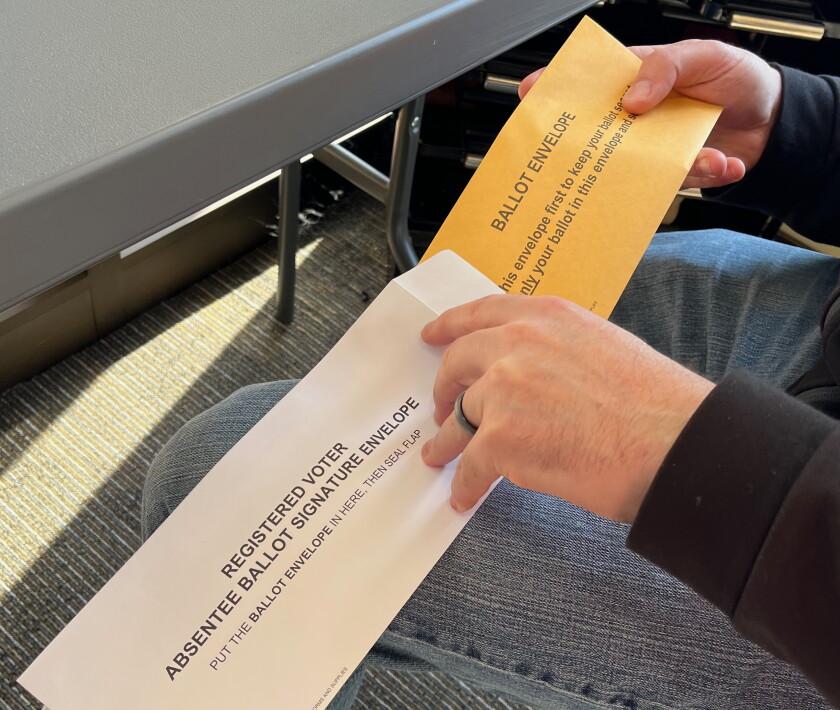
Subheadline: The Supreme Court’s decision to leave a lower-court block on new USPS mail-ballot requirements in place means Minnesota voters can proceed under the state’s existing absentee and mail-voting rules this fall.
Minnesota voters preparing to cast ballots from home will not have to navigate a new set of federal mail-voting requirements for the 2026 election after the U.S. Supreme Court declined to allow the Trump administration’s proposed Postal Service rules to take effect.
The decision comes just days before Minnesota begins distributing ballots for the November general election and provides election officials with certainty as they prepare for a busy midterm election.
Minnesota Secretary of State Steve Simon said Sept. 14 that the state’s mail-voting procedures will remain unchanged.


6
What the Supreme Court ruling means
The Supreme Court rejected the federal government’s request to lift a lower-court injunction blocking a new U.S. Postal Service rule governing mail ballots.
The proposed system would have required states to provide USPS with lists of voters planning to vote by mail and would have established new requirements for ballot envelopes, including standardized designs and barcodes. The administration argued the Postal Service had authority to impose the requirements. States challenging the rules argued they could interfere with state-administered elections and create logistical problems shortly before the election.
The court’s decision leaves the lower-court injunction in place, meaning the new requirements cannot be implemented for the upcoming election.
Justices Samuel Alito and Clarence Thomas dissented. Justice Brett Kavanaugh separately indicated that questions surrounding Postal Service authority could warrant further consideration, while agreeing that implementation at this stage presented problems.
Minnesota voters can continue using the existing system
For Minnesota voters, the immediate effect is straightforward: nothing changes about the state’s established mail-voting process for the 2026 election.
The Minnesota Secretary of State’s Office said voters can continue making plans to vote by mail, vote early in person or vote in person on Election Day.
Minnesota’s absentee ballots for the November general election become available beginning Friday, Sept. 18. The state recommends voters apply for an absentee ballot by Oct. 20, while completed ballots must be received by Election Day, Nov. 3.


7
The state’s existing process allows voters to apply for an absentee ballot, receive it from election officials and track its status through Minnesota’s election system.
Why Minnesota was watching the case closely
Minnesota was one of the states challenging the federal mail-ballot requirements.
The proposed USPS rules arrived shortly before the 2026 election, raising concerns among state election officials about the amount of time available to modify procedures, prepare ballot materials and ensure voters understood any changes.
Minnesota had previously warned voters that its existing mail-voting procedures remained in place despite the legal fight. The state also argued that election administration is primarily handled by states and that the federal rule raised constitutional and logistical concerns.
The Supreme Court’s latest decision removes the immediate need for Minnesota election officials to implement those proposed federal changes.
The timing is especially important
Minnesota’s general-election absentee voting period begins this week.
According to the state’s election calendar, ballots become available for the November election on Sept. 18, 46 days before Election Day. Minnesota also begins its broader early in-person voting period on Oct. 16.
That timing made the court fight particularly consequential.
Had the federal requirements been allowed to take effect, election administrators could have faced new rules involving voter information, ballot envelopes and Postal Service processing just as ballots were being distributed.
The Supreme Court’s decision means Minnesota can proceed with the procedures already established for this election.


6
What happens to mail ballots once they are returned?
Minnesota voters who receive absentee ballots still need to follow the instructions that accompany their ballots and return them according to state deadlines.
The Secretary of State’s Office provides ballot-tracking services so voters can monitor whether their absentee ballot has been sent and its status after it is returned.
That existing system is particularly important as Minnesota heads into an election featuring races for the entire state Legislature, all U.S. House seats, one U.S. Senate seat and statewide offices including governor, attorney general, secretary of state and auditor.
The legal battle could continue
Although the Supreme Court’s decision settles the immediate question for the 2026 election, it does not necessarily resolve every underlying dispute over federal authority and mail voting.
The administration’s proposed rules raised broader questions about the relationship between the federal government, the Postal Service and states that administer elections.
The court’s decision leaves those issues available for continued litigation while preventing the disputed requirements from disrupting this year’s election preparations.
For Minnesota, however, the practical situation is clear for November: election officials can continue using the state’s existing absentee and mail-ballot procedures.
What Minnesota voters should know
For voters planning to vote by mail, the most important dates are:
- Sept. 18: Minnesota absentee ballots become available for the November general election.
- Oct. 20: Recommended deadline to apply for an absentee ballot.
- Oct. 16: Early in-person voting begins.
- Nov. 3: Election Day and deadline for absentee ballots to be received.
Voters who have questions about their individual ballot can use Minnesota’s election resources or contact their county election office.
Bottom Line
The Supreme Court’s latest mail-ballot ruling means Minnesota’s 2026 voting procedures remain unchanged.
The proposed federal USPS requirements involving voter lists and standardized ballot envelopes will not be imposed on Minnesota voters for this election. With absentee ballots becoming available Sept. 18, Minnesota election officials can move forward using the system already in place.
For voters, the immediate message is simple: if you plan to vote by mail in Minnesota this fall, follow the state’s existing absentee-ballot instructions and deadlines.