ST. PAUL, Minn. — Minnesota’s universal free school meals program has now provided nearly 450 million meals to students since launching in 2023, marking a major milestone for a program that has also become increasingly expensive for the state.
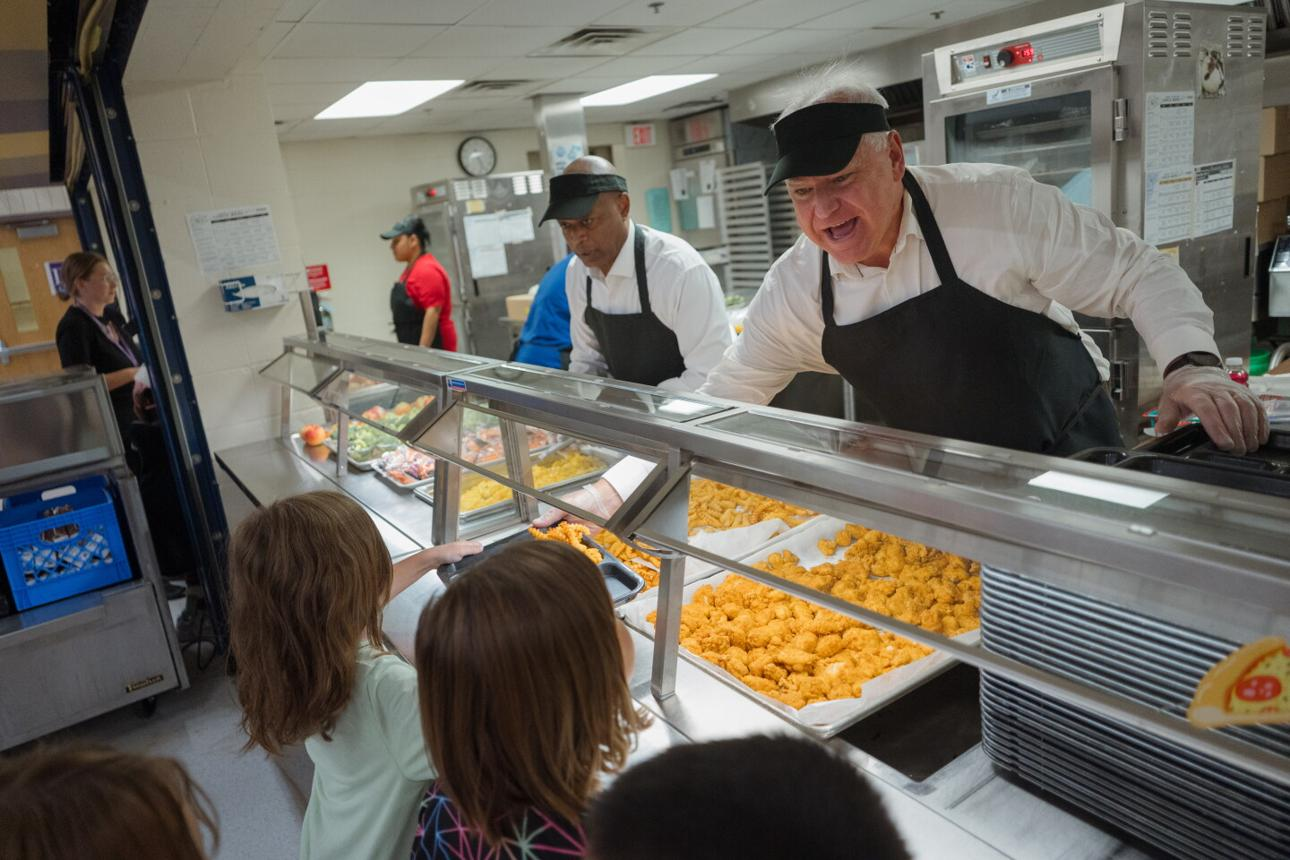
The program, signed into law by Gov. Tim Walz in 2023, provides free breakfast and lunch to students at participating Minnesota schools regardless of their family income.
State officials are highlighting the number of meals served as evidence of the program’s reach, while critics are raising concerns about costs that have substantially exceeded early projections.
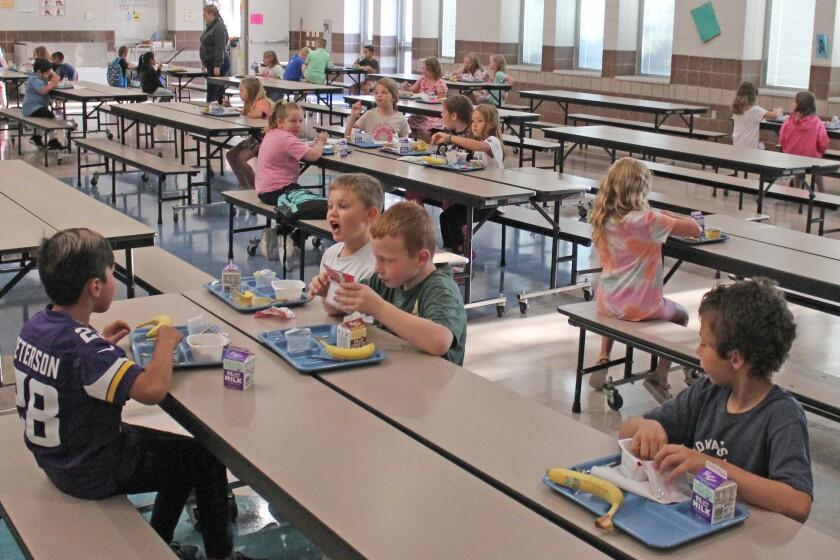
450 million meals served in three years

The milestone was announced as Minnesota began the 2026-27 school year.
According to the governor’s office, the program served more than 150 million meals during its third year alone. The state says the program saves families an average of about $1,000 per student each year.
The universal approach was designed to remove the stigma and administrative hurdles sometimes associated with income-based meal programs. Every student can receive breakfast and lunch without having to demonstrate that their family meets a particular income threshold.
Minnesota became one of a small number of states to establish universal free school meals when the legislation took effect in 2023.
The price tag has grown beyond expectations

The success measured in meals, however, has come with a larger-than-anticipated bill.
The program cost the state approximately $276 million in 2024, $294 million in 2025 and an estimated $306 million in 2026, according to figures cited by KSTP. That puts the three-year cost at roughly $876 million.
Those numbers are significantly higher than early projections.
The governor’s office initially estimated the program would cost roughly $400 million during its first two years, while later projections put the three-year cost at around $600 million.
The difference has fueled a growing debate at the Capitol over whether participation has simply exceeded expectations or whether the program needs to be redesigned.
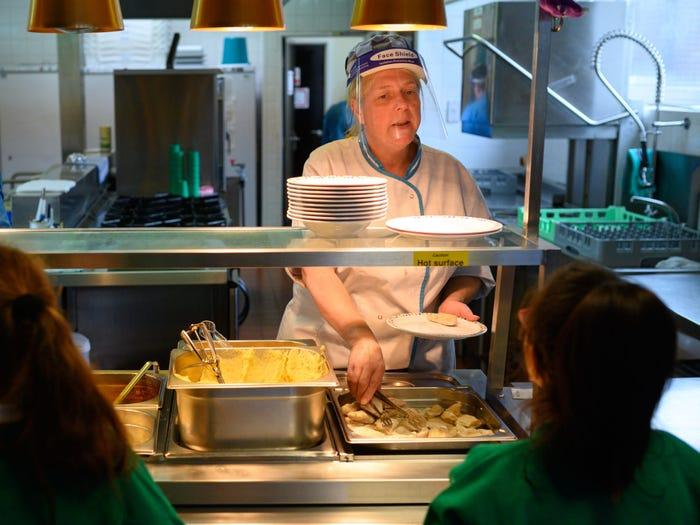
Walz says higher participation is a sign of success
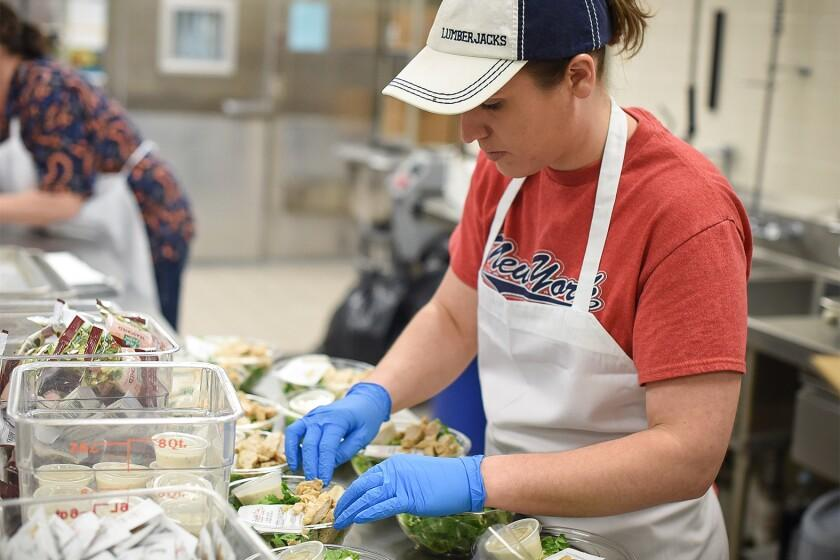
Walz has defended the spending, arguing that higher-than-expected participation demonstrates that the program is reaching students and families who need it.
The governor has characterized the additional cost as a positive problem because it indicates that students are using the benefit at a higher rate than originally anticipated.
Supporters of universal meals also argue that providing food at school can remove barriers for families and help ensure students have access to breakfast and lunch during the school day.
The program’s supporters point to the number of meals served as evidence that demand for the benefit is substantial.
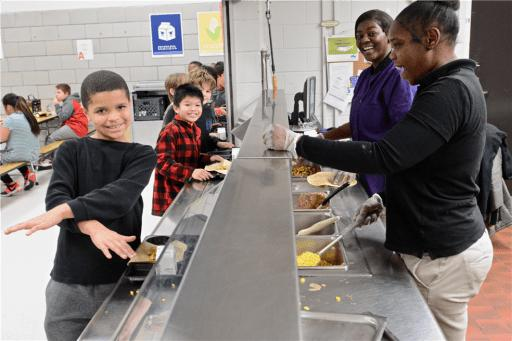
Critics question the long-term cost
Critics, meanwhile, have focused on the gap between projected and actual spending.
The Center of the American Experiment, a conservative Minnesota think tank, estimates that the program’s first three years cost about 46% more than an earlier three-year projection.
That criticism comes as Minnesota faces broader budget pressures, making the future cost of universal school meals a potential issue for lawmakers.
The debate is not necessarily over whether children should have access to nutritious meals. Instead, it centers on whether providing meals universally — including to students whose families could otherwise afford them — is the most effective use of state dollars.
A growing national trend
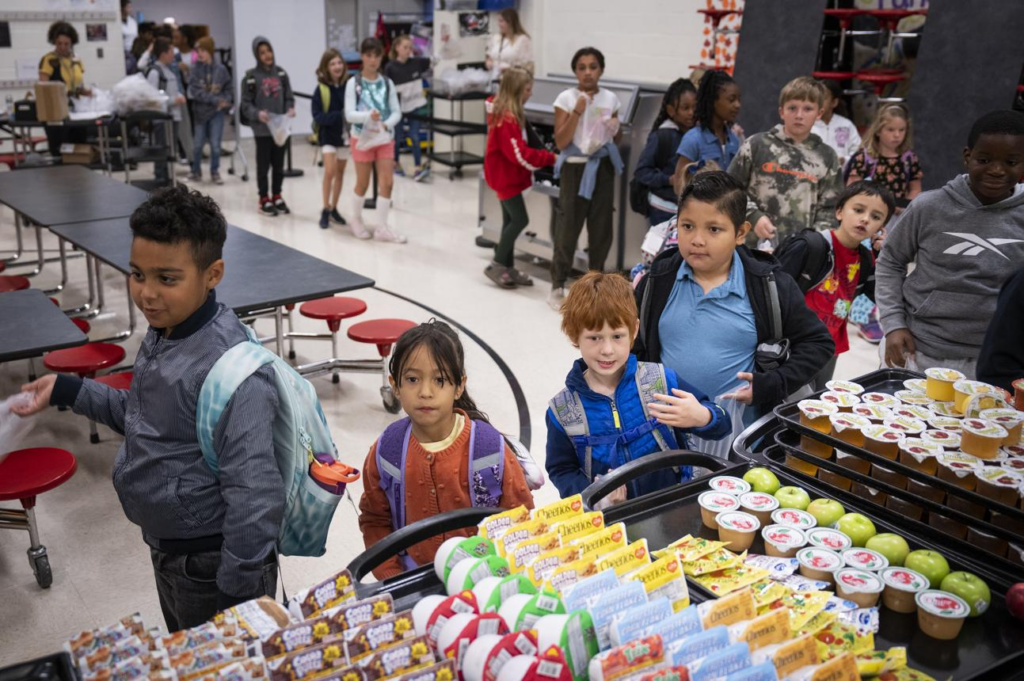
Minnesota is part of a broader movement toward universal school meals.
Other states and large school districts have adopted programs that provide free meals to all students, while federal programs such as the Community Eligibility Provision allow qualifying schools and districts to provide meals without charging individual students.
Supporters say universal programs can increase participation because families don’t have to navigate applications or worry about students being singled out.
Minnesota’s experience provides another example of the trade-off: broader participation can mean both greater reach and greater public expense.
What comes next for Minnesota’s program

For now, the universal meal program remains in place as Minnesota enters another school year.
The latest numbers show that hundreds of millions of meals have been provided since 2023, while annual costs have continued to rise.
That combination is likely to keep the program at the center of Minnesota’s education and budget debates.
For families, the benefit means one less school-day expense. For the state, it represents a commitment approaching $1 billion over three years — a figure that could become increasingly important as lawmakers consider future budgets.
Bottom Line
Minnesota’s free school meals program has reached a major milestone, serving roughly 450 million meals in three years. The achievement demonstrates the scale of the program, but its rising cost is creating a parallel debate over how sustainable universal meals will be in the years ahead.
The central question for Minnesota lawmakers is no longer whether the program is being used. The numbers show that it is. The question now is how much the state is willing to spend to keep it universal.