WASHINGTON — President Donald Trump is sharply criticizing the U.S. Supreme Court after the justices rejected his administration’s effort to impose new restrictions on mail-in voting ahead of the 2026 midterm elections.
The court’s Monday ruling leaves in place a lower-court order blocking new U.S. Postal Service requirements for election mail. The decision means states can continue using their existing procedures for sending and processing mail ballots as the November elections approach.
Trump responded Tuesday by attacking justices who opposed his administration’s position, including three justices he appointed: Neil Gorsuch, Brett Kavanaugh and Amy Coney Barrett. He accused the justices of disappointing him and criticized the ruling as a setback for his election policies.
Supreme Court blocks new mail-ballot requirements
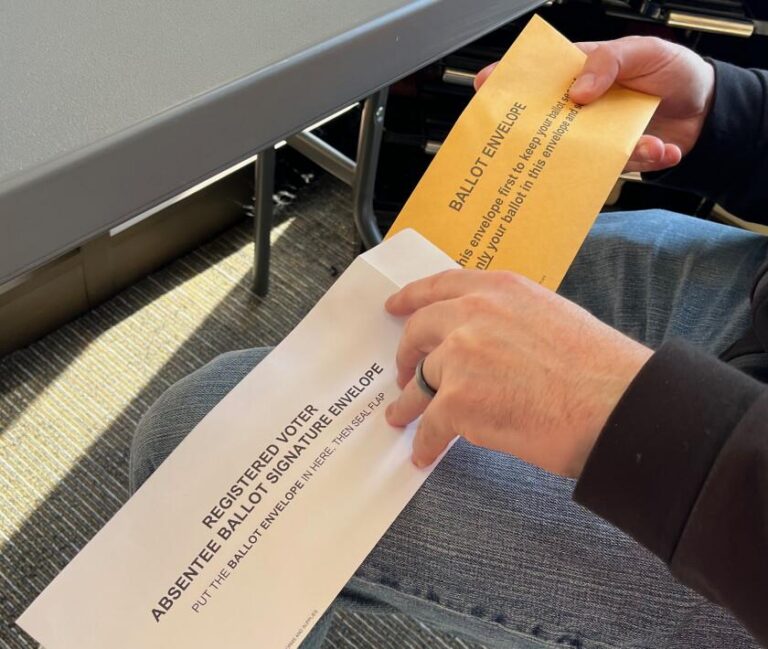
The administration had sought to require states to use standardized envelopes for election ballots and provide voter information through a Postal Service system. The USPS would have been given authority to reject election mail that did not comply with the new requirements.
Trump’s administration argued that the Postal Service has broad authority to regulate mail and that the new requirements were intended to improve election security.
States and voting-rights organizations challenged the policy, arguing that the federal government was attempting to interfere with election procedures traditionally administered by state and local officials. They also warned that the changes could create confusion and disrupt voting because the midterm election was only weeks away.
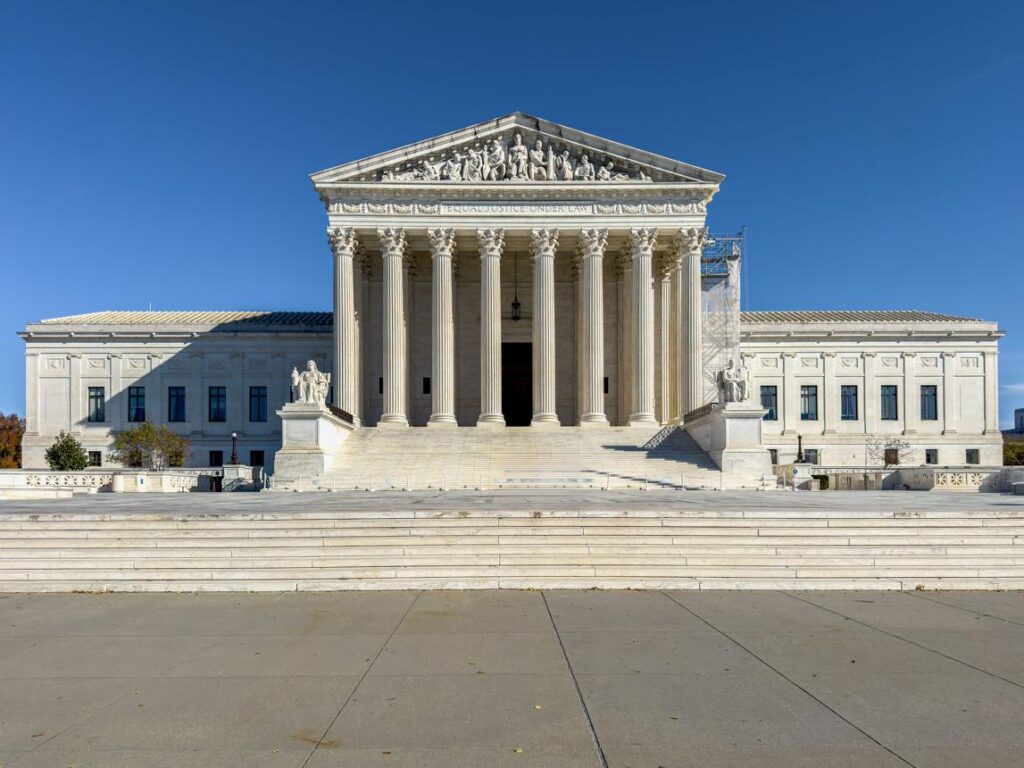
The Supreme Court issued a brief, unsigned order declining to lift the lower-court injunction. The justices said the government was unlikely to succeed on the merits of its challenge and that the circumstances did not justify emergency relief.
Trump Turns on Supreme Court After Justices Block His Mail-Voting Plan
WASHINGTON — President Donald Trump is sharply criticizing the U.S. Supreme Court after the justices rejected his administration’s effort to impose new restrictions on mail-in voting ahead of the 2026 midterm elections.
The court’s Monday ruling leaves in place a lower-court order blocking new U.S. Postal Service requirements for election mail. The decision means states can continue using their existing procedures for sending and processing mail ballots as the November elections approach.
Trump responded Tuesday by attacking justices who opposed his administration’s position, including three justices he appointed: Neil Gorsuch, Brett Kavanaugh and Amy Coney Barrett. He accused the justices of disappointing him and criticized the ruling as a setback for his election policies.
Supreme Court blocks new mail-ballot requirements
The administration had sought to require states to use standardized envelopes for election ballots and provide voter information through a Postal Service system. The USPS would have been given authority to reject election mail that did not comply with the new requirements.
Trump’s administration argued that the Postal Service has broad authority to regulate mail and that the new requirements were intended to improve election security.
States and voting-rights organizations challenged the policy, arguing that the federal government was attempting to interfere with election procedures traditionally administered by state and local officials. They also warned that the changes could create confusion and disrupt voting because the midterm election was only weeks away.
The Supreme Court issued a brief, unsigned order declining to lift the lower-court injunction. The justices said the government was unlikely to succeed on the merits of its challenge and that the circumstances did not justify emergency relief.


Trump Turns on Supreme Court After Justices Block His Mail-Voting Plan — Justices
Justices split over the administration’s approach
The decision was not unanimous.
Justices Clarence Thomas and Samuel Alito dissented, arguing that the Postal Service has significant authority to regulate mail and that the administration should have been allowed to move forward with its requirements.
Justice Brett Kavanaugh agreed that the restrictions should not take effect for the 2026 elections, but his reasoning differed. He indicated that the underlying rule might ultimately be lawful while emphasizing that implementing it so close to the election would create serious problems for state and local election officials.
Mail voting is already underway in some states. Election officials told courts that they would have little time to redesign their systems, change ballot envelopes and implement the federal requirements before ballots were sent to voters.
The ruling therefore preserves the existing mail-voting procedures for the upcoming midterms rather than requiring states to make a last-minute change.
Trump escalates criticism of justices
Trump has made opposition to mail voting a recurring part of his election agenda and has repeatedly questioned the security of voting by mail.
His latest criticism puts him at odds with members of a Supreme Court that includes three justices he personally nominated. The president has increasingly expressed frustration when the court rejects elements of his administration’s policies.
The White House and Justice Department have maintained that the proposed restrictions are aimed at protecting election integrity. Opponents say the changes would have threatened access to legitimate ballots and placed unprecedented federal restrictions on state election systems.
What the ruling means for the midterms
For voters, the immediate effect is continuity.
States can continue sending mail ballots under the procedures already established for the 2026 elections. That is particularly important in states where voting by mail accounts for a large share of ballots.
The Supreme Court’s decision does not necessarily resolve every legal question surrounding Trump’s broader effort to change federal election procedures. Other portions of his March executive order remain tied up in separate litigation, including provisions involving federal voter information and election administration.
The dispute also leaves open a larger question about how much authority the federal government and the Postal Service have to regulate election mail used by states.
For now, however, the new restrictions will not govern mail ballots in the 2026 midterm elections.
Bottom Line
The Supreme Court’s decision is a significant setback for Trump’s attempt to impose new federal restrictions on mail voting before the midterms. The ruling keeps existing state procedures in place while the broader legal fight over federal authority, election administration and mail-ballot rules continues.
The immediate result is that voters and election officials can proceed under the systems already established for this year’s elections.