Writer: Ms. Charlotte
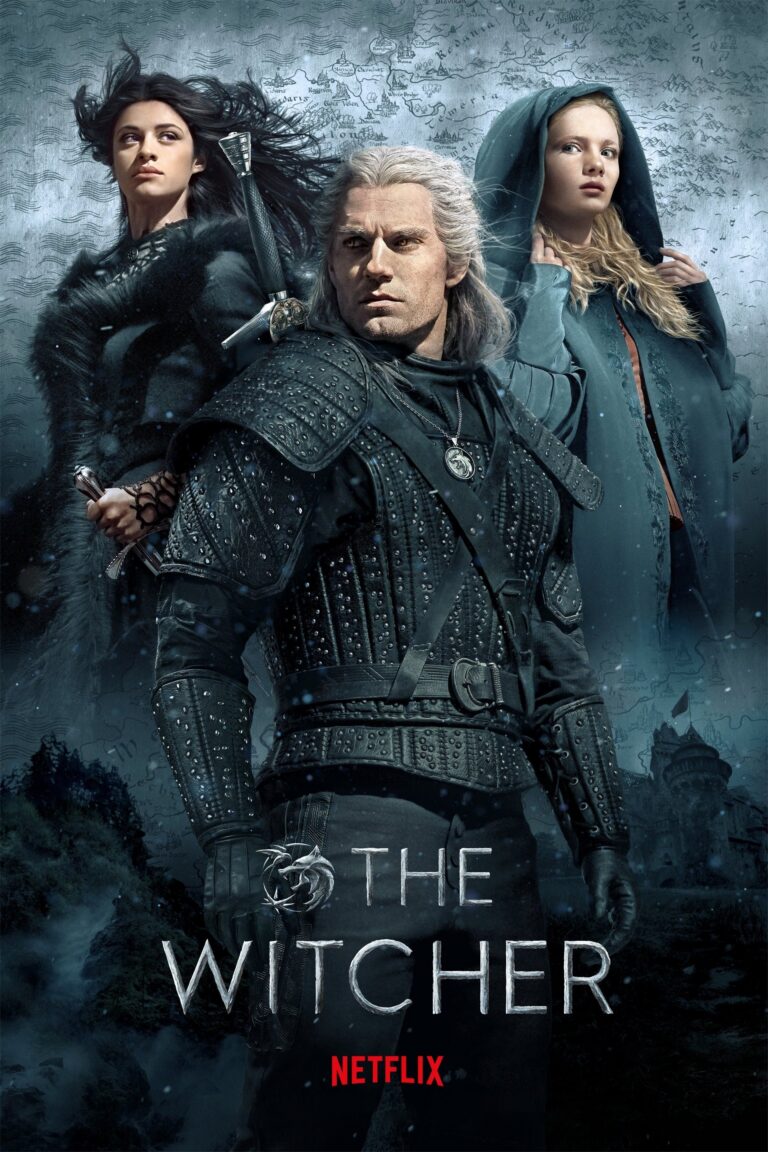
Season 3 begins with something The Witcher rarely allows its characters to have: a glimpse of family life. Geralt, Yennefer, and Ciri are together. Their relationships are imperfect, but the shape of a family has finally formed. That brief stability is precisely what makes the season painful. Nearly every major force on the Continent wants Ciri, and the season becomes a long demonstration of what happens when private love collides with political ambition.
Yennefer takes a more active role in Ciri’s magical education. Their relationship has to grow beyond the betrayal of Season 2, and the season gives them room to develop a mother-daughter bond. Ciri is not merely being protected anymore; she is being prepared. That distinction matters because nearly everyone around her has an idea of what she should become, while Ciri increasingly wants the right to define herself.
Geralt remains suspicious of the political and magical games surrounding them. His investigation gradually exposes a conspiracy that reaches into the Brotherhood itself. The apparent mystery surrounding the rogue mage and the experiments connected to Ciri eventually points toward Vilgefortz.
The Thanedd coup is the season’s centerpiece. Alliances fracture, mages turn on one another, Nilfgaardian interests collide with Northern political schemes, and Aretuza—the institution that once represented magical order—becomes a battlefield. The sequence works because the danger is not simply physical. Characters who have shared institutions, history, and loyalties discover that they have been standing on opposite sides.
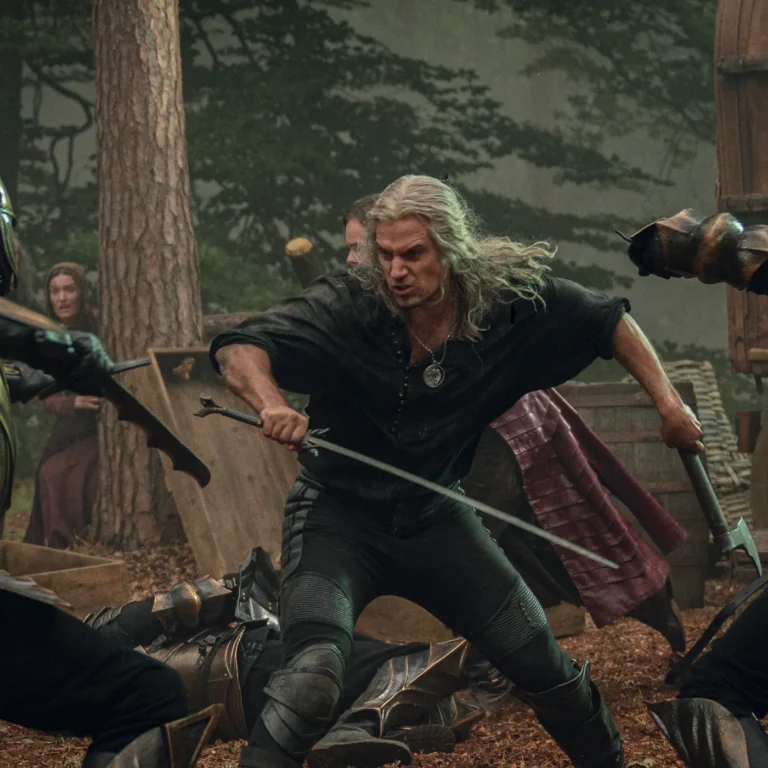
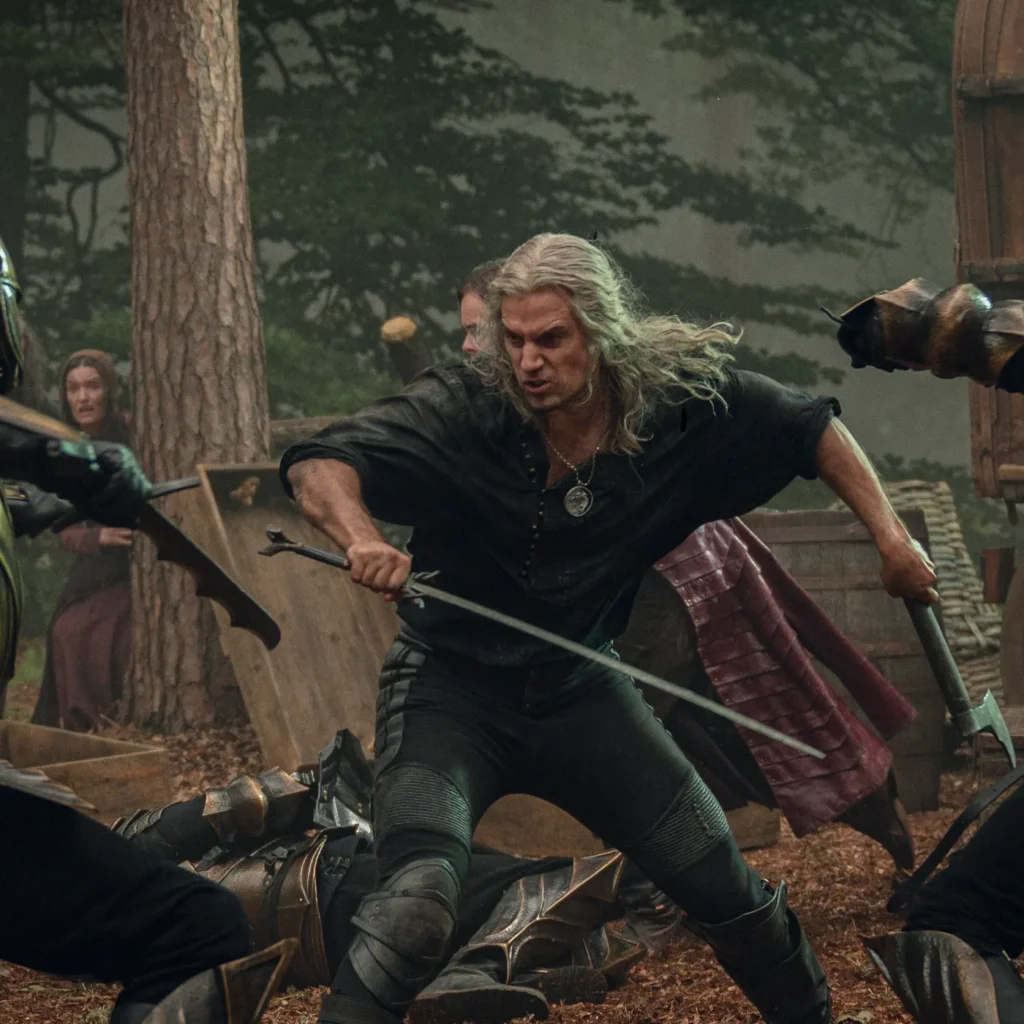
Vilgefortz’s true role emerges from the chaos. He has been manipulating events while presenting himself as one of the Continent’s most respected mages. His confrontation with Geralt is particularly effective because it rejects the usual heroic expectation. Geralt does not narrowly defeat him. Vilgefortz overwhelms him. The beating leaves Geralt physically broken and strips away any illusion that determination alone will be enough to protect Ciri.
Tissaia’s fate gives the collapse of Aretuza its emotional cost. Her relationship with Yennefer has always contained affection, discipline, resentment, pride, and maternal complexity. The aftermath of Thanedd leaves Tissaia unable to carry the weight of what has happened, and her death devastates Yennefer. Yennefer emerges from the catastrophe with grief but also with a growing responsibility toward the surviving sorceresses.
Ciri’s separation from Geralt and Yennefer pushes her into the Korath Desert, where the season becomes almost entirely about survival and identity. Alone, dehydrated, frightened, and experiencing visions, Ciri confronts the legend of Falka. The desert does more than test whether she can stay alive. It begins breaking apart the identity she has been carrying.
When Ciri later encounters the Rats, she finds something dangerously appealing: a group that does not initially require her to behave like a princess, prophecy, or political prize. After killing her captor, she gives them a new name.
Falka.
That moment is one of the most important transformations in the series. Ciri is not simply using an alias. She is experimenting with the possibility of becoming someone who does not have to carry the obligations attached to Cirilla of Cintra.
Meanwhile, Geralt recovers from his injuries and reaches a decision. He has spent much of the series resisting politics, destiny, and causes larger than his immediate responsibilities. But when Ciri is lost, neutrality becomes impossible. Finding her becomes the mission.
Season 3 is therefore a season of fragmentation. The family that finally came together is violently separated. Aretuza falls. The Brotherhood fractures. Geralt is broken physically. Yennefer loses Tissaia. Ciri begins abandoning her own name.
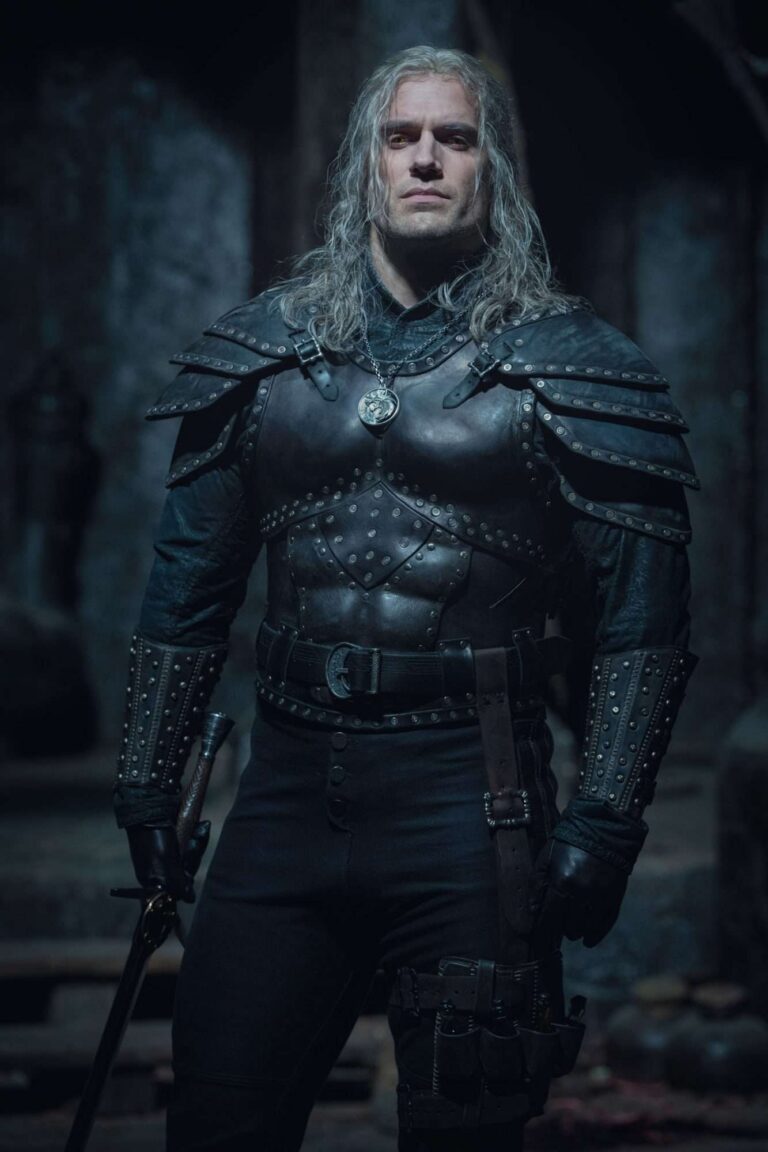
The season also marks the end of Henry Cavill’s run as Geralt. Whatever viewers think of the transition that follows, his final season appropriately leaves Geralt at a threshold. The detached witcher of Season 1 is gone. The man leaving to find Ciri is a father going after his child.
BLOGGER’S VERDICT: Season 3 is The Witcher’s breaking point. It takes the family the first two seasons painstakingly assembled and scatters its members across the Continent, forcing each of them to decide who they are without the others beside them.