Writer: Ms. Charlotte
Season 2 takes the promise at the end of the first season and turns it into the emotional center of the series. Geralt has finally found Ciri. The question is no longer whether destiny will bring them together. The question is what Geralt will do now that destiny has placed a frightened, powerful child in his care.
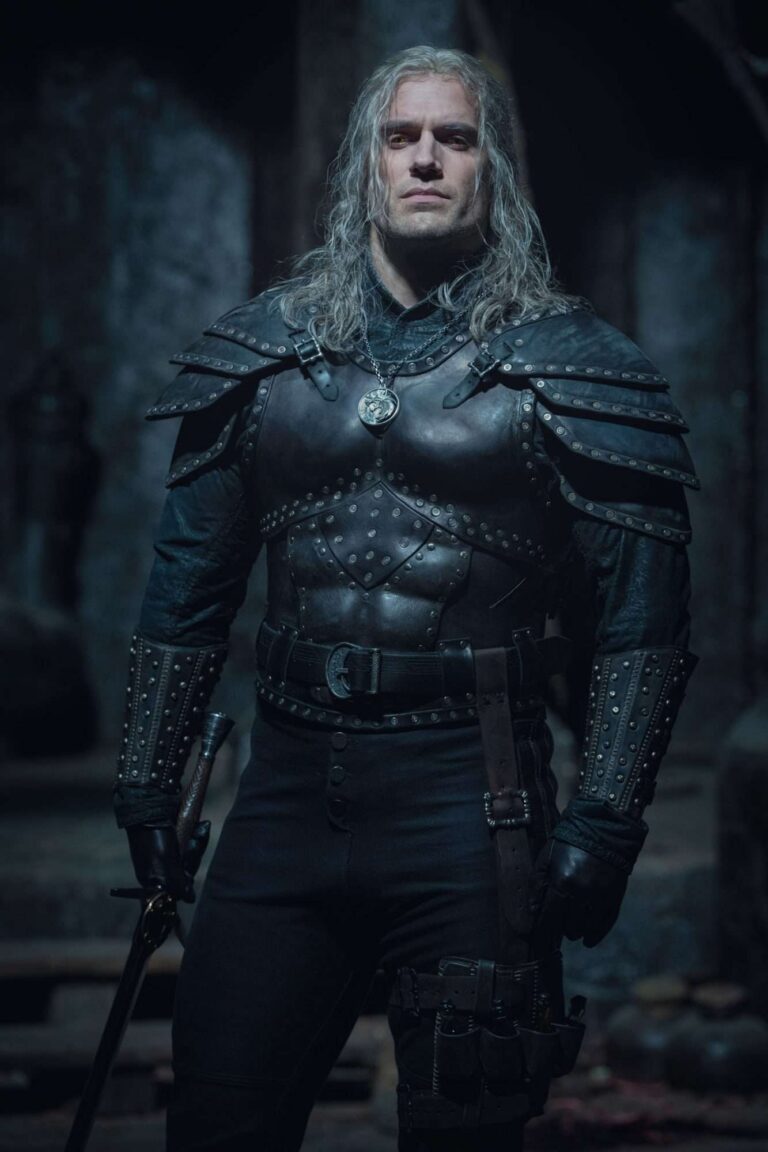
Geralt takes Ciri to Kaer Morhen, the ancient stronghold of the witchers. On paper, it should be one of the safest places available to her. In reality, Ciri’s arrival exposes how little anyone understands about her. She wants to train because training gives her something trauma has taken away: a sense of control. Geralt becomes protective without becoming sentimental. He teaches her to survive, watches her push herself through the witchers’ obstacle course, and gradually shifts from reluctant guardian into unmistakable father figure.
Ciri’s Elder Blood becomes the season’s central mystery. Her abilities are not simply unusual magic. They connect her to ancient bloodlines, prophecy, monoliths, and forces that reach beyond the familiar boundaries of the Continent. The more people learn about her, the less safe she becomes. She is simultaneously a child, an heir, a magical anomaly, and a potential weapon.
Yennefer’s storyline deliberately strips away what she once valued most. After Sodden, she discovers that she can no longer access her magic. For a woman who fought so hard to gain power, losing it is devastating. This vulnerability leads her toward Voleth Meir, the Deathless Mother, who exploits pain and desperation. Yennefer is offered the possibility of restoring her power in exchange for Ciri.
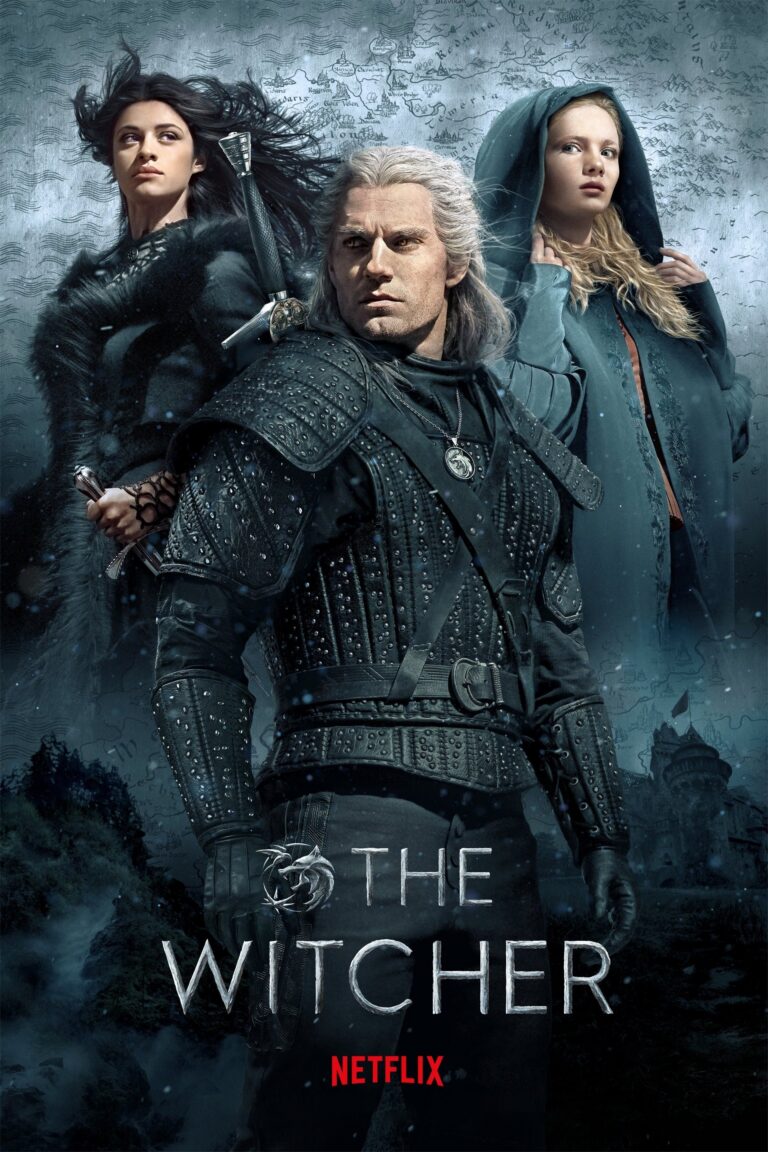
That choice creates the season’s deepest rupture. Yennefer, who will eventually occupy a maternal place in Ciri’s life, initially allows her desperation to place Ciri in danger. The betrayal matters because the series refuses to build its central family out of perfect people. Geralt, Yennefer, and Ciri are damaged people whose relationships require choices, consequences, forgiveness, and change.
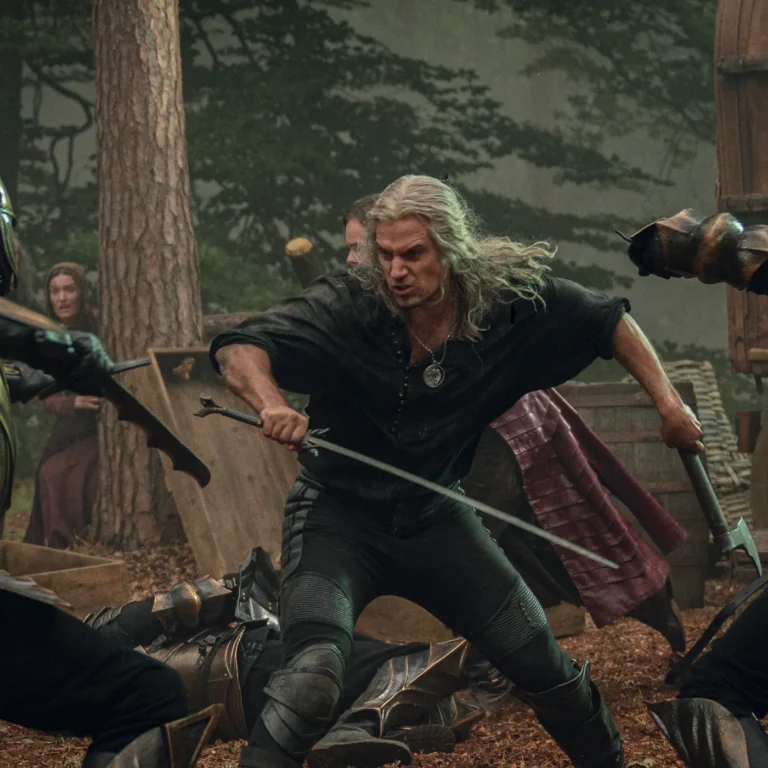
Voleth Meir’s possession of Ciri turns Kaer Morhen into a nightmare. Witchers die, Geralt is forced to confront an enemy using Ciri’s body, and Yennefer finally chooses sacrifice over self-interest. By offering herself to save Ciri, Yennefer begins earning the relationship she nearly destroyed.
The season also broadens the political conflict. Elves, mages, Nilfgaard, and the Northern kingdoms are all maneuvering around one another. Francesca Findabair’s story gives the elven struggle a painful face, while Fringilla and Cahir remain entangled in Nilfgaard’s ambitions. At times these political threads compete with the stronger emotional material at Kaer Morhen, but they establish the larger war closing around the central characters.
Then the finale delivers the revelation that changes everything: Emperor Emhyr var Emreis, the White Flame of Nilfgaard, is Duny—Ciri’s father, believed lost years earlier.
The twist transforms Nilfgaard’s pursuit of Ciri from distant imperial politics into something intimate. The person at the center of the empire hunting her is connected to her by blood. From that point forward, the question of family becomes even sharper. Biology, destiny, loyalty, and love are no longer the same thing.
Season 2 is strongest when it focuses on Geralt learning to parent Ciri and Ciri learning to trust him. It occasionally becomes crowded by monsters, monolith mythology, political factions, and magical exposition, but its emotional direction is much clearer than Season 1’s chronology puzzle.
This is the season in which destiny stops being an abstract force. Geralt chooses Ciri. Ciri chooses to trust Geralt. Yennefer makes a terrible choice and then chooses to risk herself to undo it. Family begins not because prophecy commands it, but because these characters start deciding that they belong to one another.
BLOGGER’S VERDICT: Season 2 turns The Witcher from a story about people connected by fate into a story about people beginning to choose one another.