Writer: Ms. Charlotte
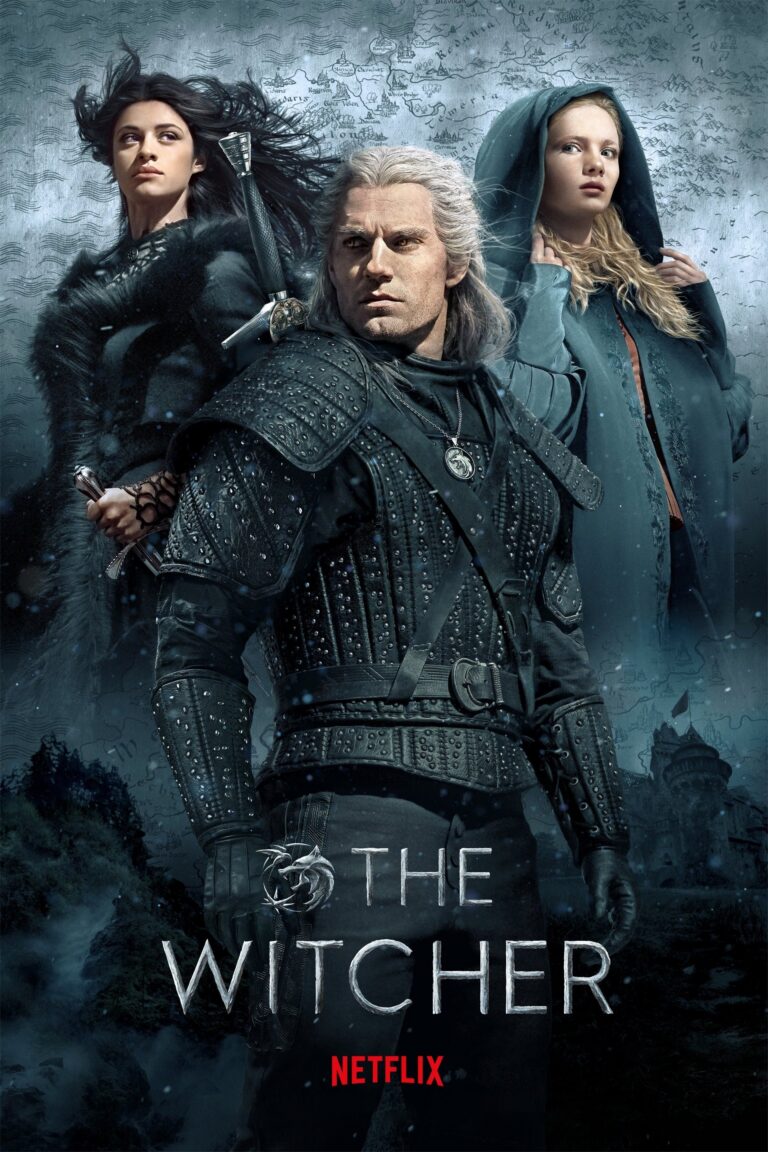
Netflix’s first season of The Witcher does not ease viewers into its world. It drops us into a Continent filled with monsters, political grudges, old magic, prejudice, war, and characters whose lives are moving toward one another long before they understand why. That choice makes Season 1 both fascinating and, at times, deliberately difficult to follow. Its greatest trick is that what initially looks like three separate stories is really one story about destiny closing the distance between Geralt of Rivia, Yennefer of Vengerberg, and Princess Cirilla of Cintra.
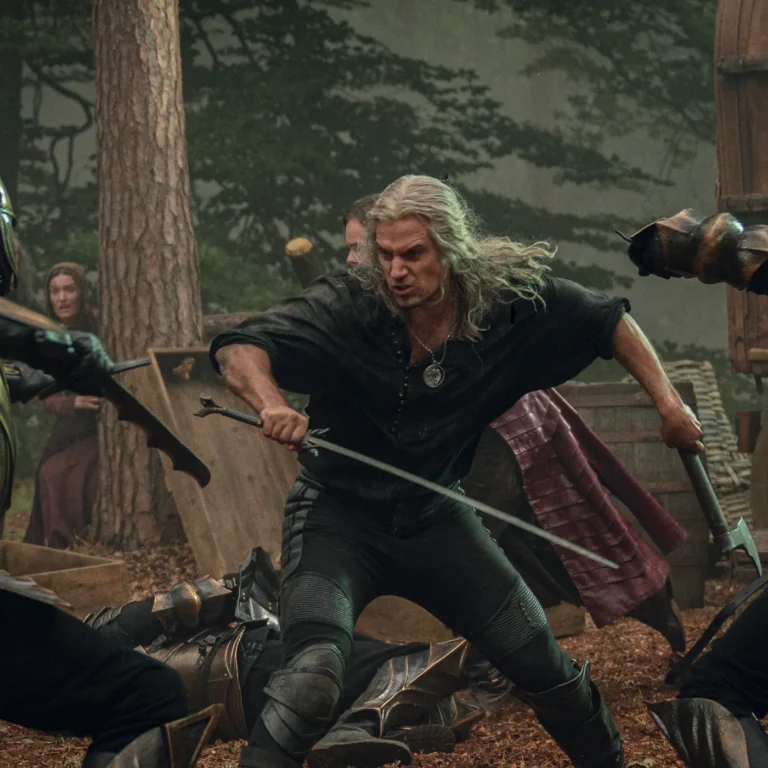
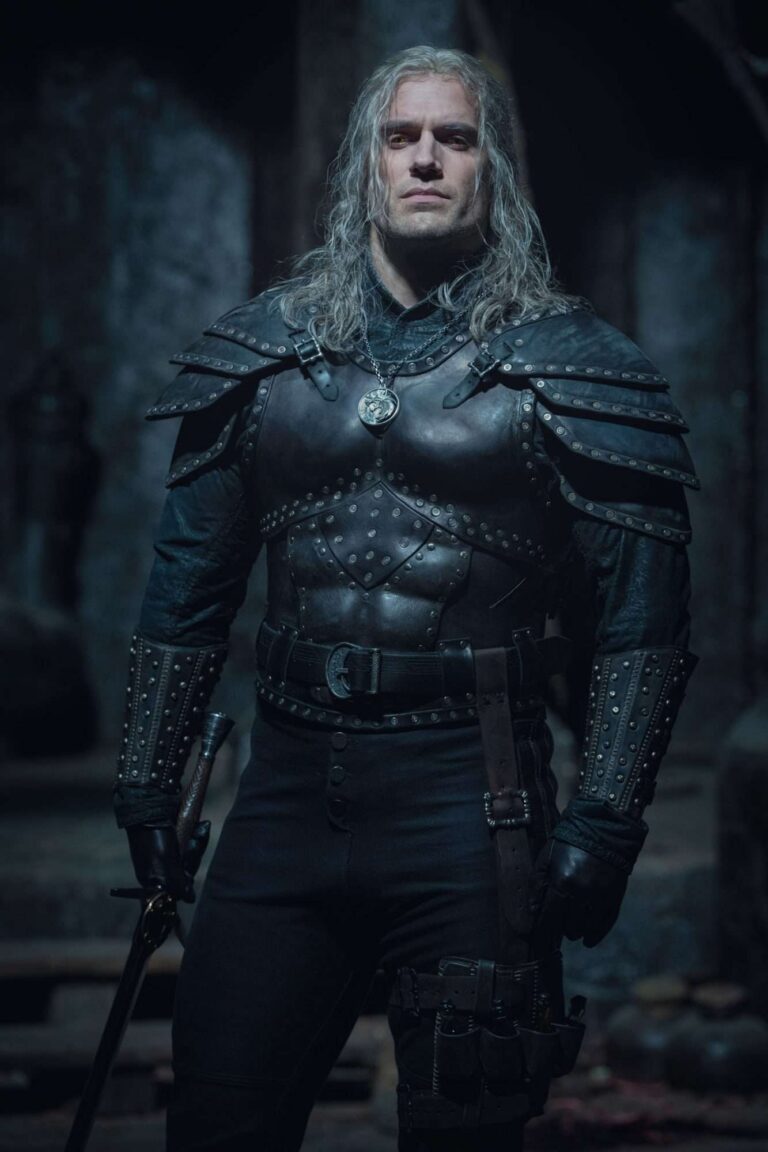
Geralt enters the series as the familiar fantasy outsider: a mutated monster hunter who is useful when people are frightened and despised when they no longer need him. Yet the season quickly complicates that image. The Blaviken story establishes the moral trap that follows him throughout the series. Geralt can choose between terrible options, save lives, and still become remembered as the villain. The title “Butcher of Blaviken” follows him because public memory is simpler than the truth. Henry Cavill’s restrained performance makes Geralt’s silences matter; the character insists he wants neutrality while repeatedly proving that he cannot ignore suffering forever.
Yennefer’s origin gives the season its most dramatic transformation. Sold by her family and taken to Aretuza, she begins as a young woman who has been taught to see herself as powerless and undesirable. Tissaia de Vries recognizes the chaos inside her and forces her to develop it. Yennefer’s physical transformation is presented as triumph and sacrifice at the same time. She gains the beauty and position she believes will give her control over her life, but loses her fertility. The cruel irony becomes central to her character: once she has power, she discovers that power cannot automatically replace what she surrendered to obtain it.
Ciri’s storyline supplies the season’s urgency. Nilfgaard’s attack on Cintra destroys the only world she has known. Queen Calanthe’s final instructions send Ciri searching for Geralt, a man she has never met. The reason stretches back to Geralt’s encounter with Duny and Pavetta, when he invoked the Law of Surprise without realizing Pavetta was pregnant. Ciri became his Child Surprise before she was even born. Geralt spends years resisting that connection, while the fall of Cintra demonstrates that refusing destiny does not necessarily make destiny disappear.
The controversial timeline structure makes more sense once the three stories begin intersecting. Geralt, Yennefer, and Ciri are not initially living through the same years. The series withholds that information, allowing familiar names and historical events to reveal the chronology gradually. For some viewers, this is an intriguing puzzle. For others, it creates unnecessary confusion. Both reactions are understandable. The structure rewards attention, but it also asks viewers to perform work that a first season could have made easier.
Jaskier is an essential counterweight to all of this darkness. His friendship with Geralt gives the series humor, humanity, and one of its most memorable musical signatures. More importantly, he exposes the difference between Geralt’s reputation and Geralt himself. Geralt claims not to need people, yet relationships keep forming around him.
The Battle of Sodden brings Yennefer’s storyline to its explosive peak as the mages resist Nilfgaard. Her use of fire demonstrates just how powerful she has become, but the emotional climax belongs to Geralt and Ciri. After an entire season of near misses, they finally find one another. Ciri’s question about Yennefer immediately points toward the family that the series has been quietly building.
Season 1 works best when viewed as an origin story for a family that does not yet exist. Geralt is learning that neutrality has limits. Yennefer is learning that power does not cure emptiness. Ciri is learning that royal blood cannot protect her from the world. Their individual losses create the space in which they will eventually need one another.
As a season of television, it is ambitious, atmospheric, violent, emotionally uneven, and often beautiful. The nonlinear storytelling is simultaneously its boldest creative choice and its biggest barrier. But by the finale, the confusion gives way to a remarkably simple idea: three lonely people have been moving toward one another all along.
BLOGGER’S VERDICT: Season 1 is not merely about a monster hunter. It is about destiny assembling a family one wound at a time.