MINNEAPOLIS — The Minnesota man who pleaded guilty to assaulting U.S. Rep. Ilhan Omar during a Minneapolis town hall is scheduled to be sentenced Thursday, as prosecutors seek more than a year in federal prison for the attack.
Anthony Kazmierczak, 56, pleaded guilty in May to one count of assaulting a United States officer. Prosecutors have recommended a 14-month prison sentence.
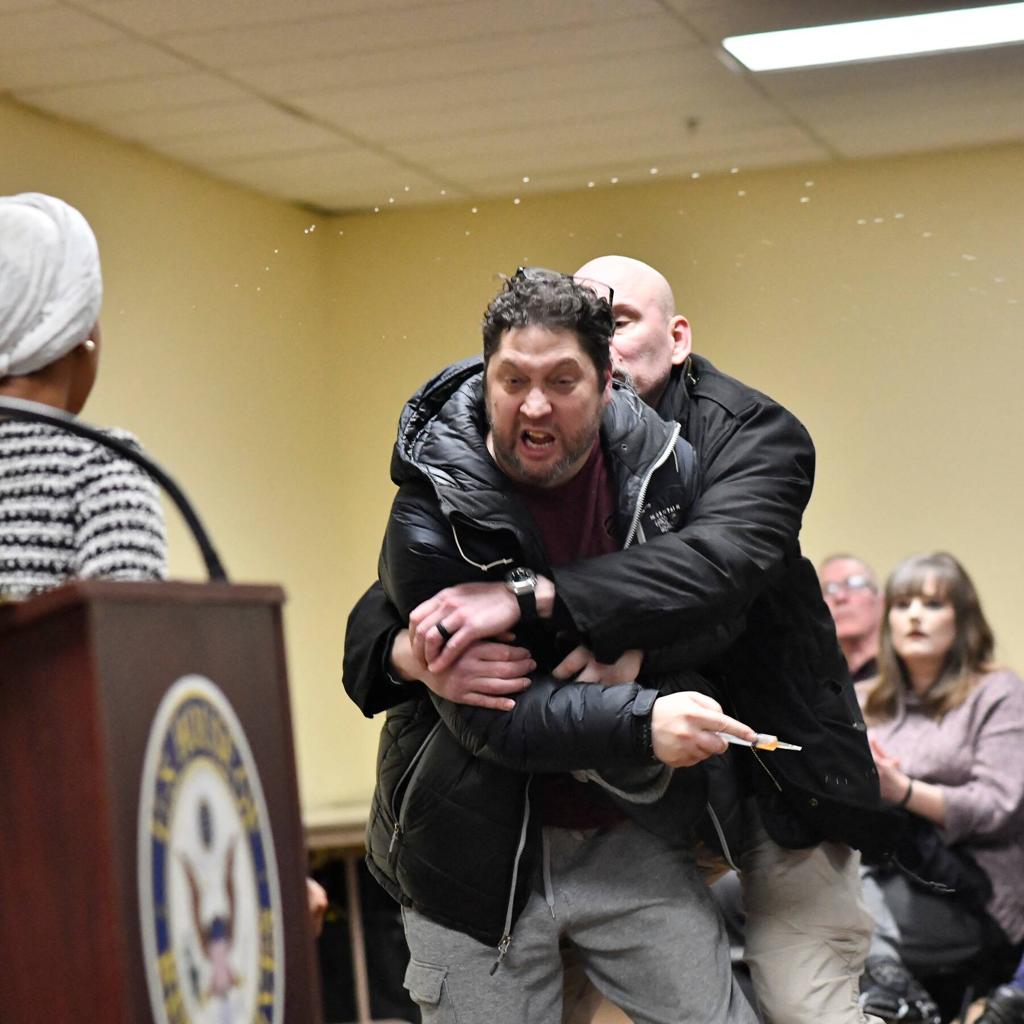
The case stems from an incident on Jan. 27, when Kazmierczak approached Omar during a public town hall and sprayed a liquid from a syringe onto her. Authorities later determined that the substance was a mixture of water and apple cider vinegar.
Sudden Disruption at Minneapolis Town Hall
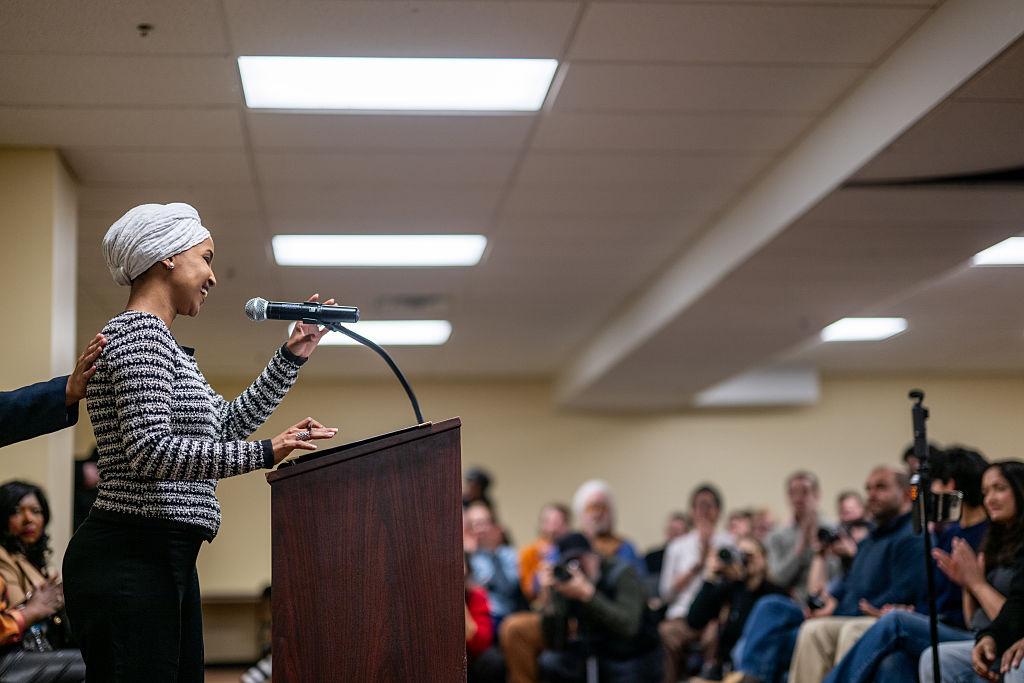
Omar was speaking at the Urban League Twin Cities facility in Minneapolis when Kazmierczak, who was seated near the front of the room, suddenly moved toward the congresswoman.
According to federal prosecutors, he sprayed the liquid from a syringe onto Omar’s clothing and skin before security officers quickly tackled him.
Kazmierczak was arrested at the scene.
The U.S. Department of Justice said laboratory testing confirmed that the substance contained acetic acid, consistent with apple cider vinegar. Omar was not injured and eventually continued the town hall.
Kazmierczak Admitted the Attack Was Planned
During his May guilty plea, Kazmierczak acknowledged that he planned the assault and that he disagreed with Omar’s political views.
Federal prosecutors later pointed to text messages and other evidence that they say showed he had been preparing for the confrontation.
According to the government’s sentencing memorandum, Kazmierczak had sent messages to several people indicating that he intended to do something involving Omar at the town hall. He also made arrangements involving his dog and obtained information related to a possible bail bond.
Prosecutors argued that the planning demonstrated that the incident was not simply a spontaneous outburst.
Omar Was Not Injured
Despite the sudden attack, Omar remained at the event and continued speaking to attendees after Kazmierczak was taken away.
The incident happened during an especially tense period in Minneapolis, where federal immigration enforcement operations had generated protests and political confrontations.
The attack also became part of a broader national discussion about threats and violence involving elected officials.
The Department of Justice said the case demonstrates that attacks against public officials can result in federal criminal consequences.
Prosecutors Seek 14 Months in Prison
Federal prosecutors have recommended a 14-month sentence.
According to the Minnesota Star Tribune, federal sentencing guidelines discussed in the case provided an advisory range of approximately four to 14 months. The final sentence will be determined by U.S. District Judge Joan N. Ericksen.
The sentencing memorandum also described Kazmierczak’s history of alcohol abuse and health problems, including a Parkinson’s disease diagnosis. Those circumstances are among the factors before the court as the judge determines the sentence.

A Case That Drew National Attention
The assault occurred while Omar was holding a town hall focused on issues surrounding immigration enforcement and federal policy.
Kazmierczak’s history of political criticism of Omar also became part of the investigation. Prosecutors cited his communications and online activity as evidence relevant to the case.
At his plea hearing, Kazmierczak gave a limited explanation of what happened, telling the judge that his memory of the incident was “fuzzy.” He nevertheless accepted responsibility by pleading guilty.
He later apologized to Omar in a letter, writing that he was sorry if he had frightened her.
Sentencing Expected Thursday
Kazmierczak is now awaiting the court’s decision on his punishment.
The recommended 14-month sentence is not binding on the judge, meaning Ericksen will determine the actual sentence after considering the applicable federal guidelines, the circumstances of the offense and other information presented to the court.
The case is expected to conclude another chapter in a confrontation that briefly disrupted a Minneapolis town hall but has continued through the federal court system for months.