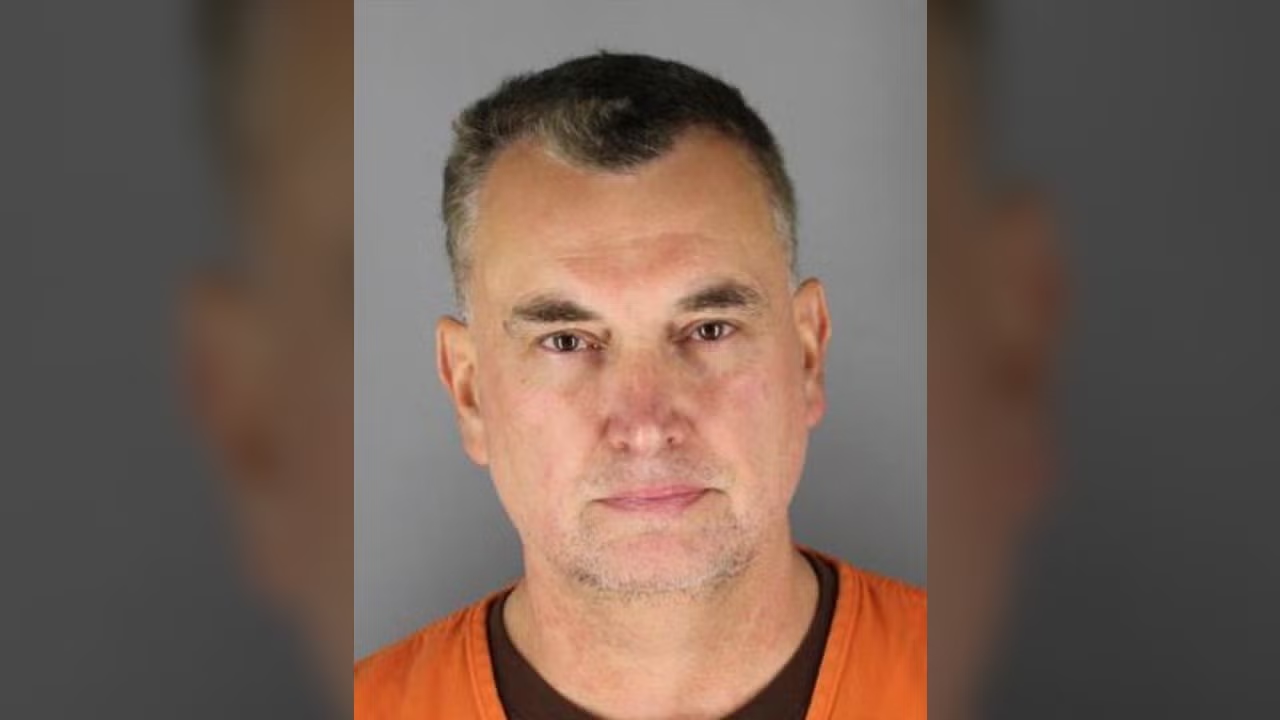
A DOJ spokesperson said that the death penalty is completely off the table in the case against Vance Boelter, the suspect charged in the murder of former Minnesota Speaker Emerita Melissa Hortman and her husband, regardless of whether he pleads guilty to all state and federal charges.
Earlier reporting came from a KSTP source who said that plea deal negotiations were underway between federal prosecutors and attorneys for Boelter; however, the DOJ spokesperson said that is false and that person should be fired.
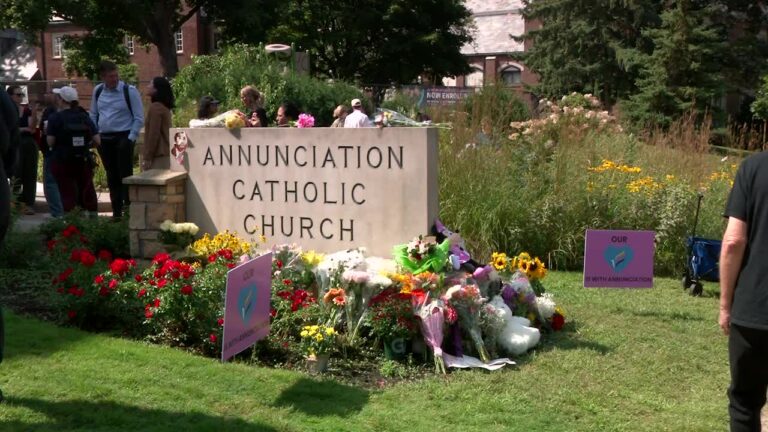
This comes as we approach the one-year anniversary of the attacks, which also critically injured State Sen. John Hoffman and his wife, Yvette.
The death penalty decision had previously been in the hands of former U.S. Attorney General Pam Bondi. After her resignation, that decision fell to Todd Blanche, who took over as acting Attorney General.
The DOJ spokesperson says leadership is in agreement that the death penalty is not applicable.
“Bringing justice to the families and loved ones of victims of violence is the number one priority of the Department of Justice,” the DOJ spokesperson said in a quote provided by ABC News when asked about the negotiations. “Prosecutors worked hard on this case to make sure he was held accountable to the fullest extent possible.”
Boelter is accused of impersonating a police officer and killing the Hortmans and their dog in their Brooklyn Park home in June of 2025. The Hoffmans were also shot at their home on the same night in Champlin. Both survived the attack.
Boelter is charged with murder and stalking in the Hortman deaths. He is also federally charged in the shooting of the Hoffmans and the attempted shooting of their daughter Hope. Boelter is also charged on a state level in the killings, but the federal charges are taking precedence.
Boelter is set to appear in court on Oct. 16 for a motion hearing.
Reaction
“You know, it could be that there’s a special committee that meets to discuss these cases at justice, and perhaps that committee came back with a recommendation against the death penalty,” says former federal prosecutor Mark Osler, now a professor of law at the University of St. Thomas.
“I think it’s one that brings back terrible memories to Minnesotans, of course, about these murders in particular, and the people who were lost,” Osler says.
He says winning a death-penalty case would likely be difficult here, even in a federal case.
“We are not a death penalty state. We haven’t had the death penalty in over 100 years in Minnesota,” he notes. “They’re going to have a Minnesota jury, and the chance of losing that death penalty case, I think, was very high. I think they would probably win a conviction for murder, but probably not obtain the death penalty.”
Osler also says trying a death penalty case likely would have been a strain on the U.S. Attorney’s Office here in Minnesota, because of staff shortages.
He points out that in death penalty cases, the jury not only decides guilt or innocence, but also the sentence for the accused.
And then there’s the issue of how long proceedings would take, especially since a death penalty trial appears to no longer be an option.
“The timeline for him pleading guilty and then being sentenced to life without parole is a lot shorter than if they were to proceed to a death penalty trial,” Osler explains. “So, with the death penalty trial, there would be litigation going on for months, if not years, whereas if we have a guilty plea, it could be a matter of weeks.”