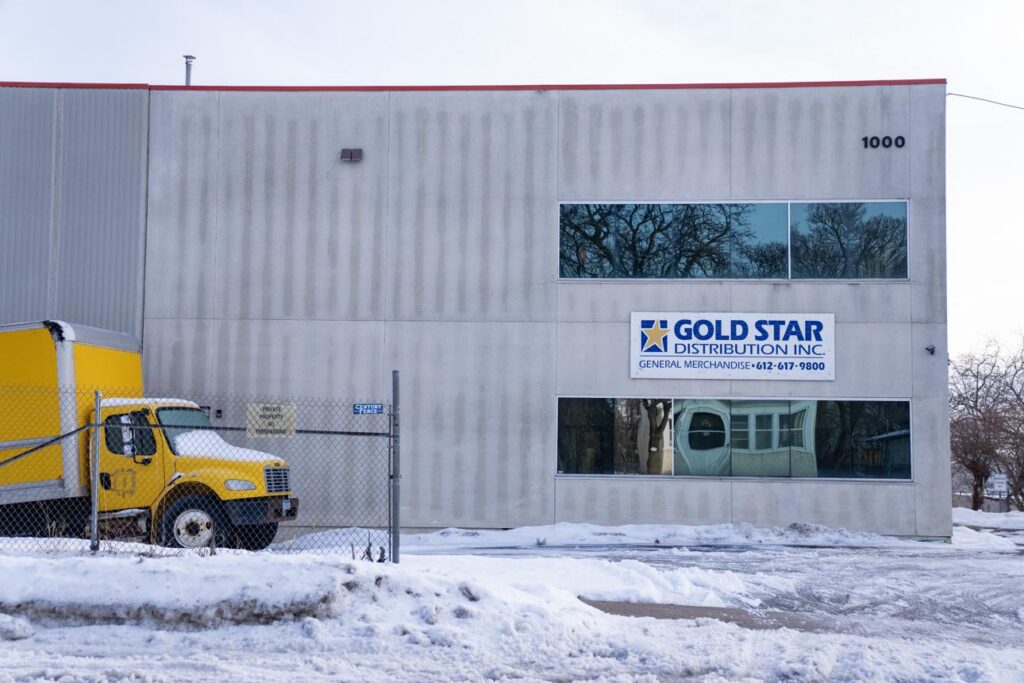
Federal officials are seeking to permanently stop Gold Star Distribution from handling food, medicine and other regulated products after investigators documented years of pest infestations and unsanitary conditions inside its Minneapolis warehouse.
September 15, 2026


A Minneapolis food and product distributor is facing a federal lawsuit that could permanently shut down its operations after investigators documented what officials describe as persistent and serious sanitation problems inside its warehouse.
The U.S. Department of Justice, acting on behalf of the Food and Drug Administration, filed the lawsuit Sept. 11 against Gold Star Distribution Inc. and its owner, seeking a permanent injunction preventing the company from receiving, storing or distributing food, drugs, medical devices and other federally regulated products until it complies with federal requirements.
The allegations are striking.
During a five-week FDA inspection conducted from Nov. 17 through Dec. 18, 2025, investigators reported finding nine live rodents, 17 dead rodents, eight live birds, one dead bird and five live worms inside the facility, according to the federal complaint.
The government says investigators also found rodent droppings described as too numerous to count, urine stains, gnaw marks and nesting material throughout the warehouse.
A warehouse filled with everyday products
The case is particularly significant because Gold Star’s inventory reportedly included products found in ordinary households.
According to the complaint, roughly 75% of the products handled by the company are regulated by the FDA.
Those products included infant formula, over-the-counter medicines, pet food, rice, bottled beverages, pregnancy tests, sanitary products, cosmetics and personal-care products.
Among the products identified were Enfamil infant formula, Tylenol, Advil, DayQuil, Meow Mix, Friskies, Basmati rice, pregnancy tests, sanitary pads, Axe body spray and liquid hand soap.
The remaining inventory included household goods, cleaning products and automotive chemicals.
That mixture makes the alleged warehouse conditions particularly concerning for regulators because contamination in a distribution facility can potentially affect products before they reach grocery stores, pharmacies and other retailers.


Inspectors describe widespread contamination concerns
The federal complaint alleges that pest evidence wasn’t confined to one isolated corner of the building.
Investigators reportedly found rodent activity and contamination near pallets containing rice, cat food, bottled tea, drugs, sanitary pads, liquid soap and body spray.
Bird droppings were also reportedly found on packaged bottles of tea.
FDA laboratory testing of samples collected during the inspection confirmed the presence of rodent urine, rodent droppings and rodent hair, along with evidence of gnawing on product packaging, according to the complaint.
Investigators also documented leaking and overflowing trash near outgoing shipments.
The warehouse reportedly had significant openings around loading docks, holes in a wall and ceiling leaks that allowed water to drip onto stored products and pool on the floor.
The problems go back years
Perhaps the most consequential part of the case is that federal officials say the problems weren’t new.
The FDA had already warned Gold Star about sanitation and pest-control problems in 2018.
That inspection documented dead rodents, live birds, nesting material and rodent droppings around food products. The FDA’s warning letter also described a dead rodent behind a pallet of pasta and rodent evidence on packaging.
The Minnesota Department of Agriculture also took enforcement actions against Gold Star over the years.
According to the federal complaint, state regulators issued three warning letters, two monetary penalties and eventually entered into a two-year license limitation agreement requiring increased inspections between 2018 and 2025.
The federal lawsuit represents a major escalation.


A massive recall preceded the lawsuit
The federal action follows a sweeping recall announced by Gold Star in December 2025.
The company recalled a 44-page list of products distributed to stores in Minnesota and elsewhere in the Midwest after regulators identified rodent and bird contamination concerns. The recall included everything from food and candy to medicines and other merchandise.
The recall was significant for small grocery stores and halal markets that relied on Gold Star as a distributor.
At the time, the company’s owner said the problems began after the facility received several loads of infested rice and that birds had also entered the warehouse. Gold Star said it planned to move to another location.
The recall ultimately became part of a much larger regulatory problem.
The company says it took corrective steps
The lawsuit does not represent a finding that the allegations have been proven in court.
According to FOX 9’s review of the complaint, Gold Star responded to FDA findings in January and February 2026 by describing steps it said it had taken or planned to take.
Those measures included improving procedures for sealing doors and entrances, employee training, sanitation efforts, separating non-food products and hiring a third-party expert to review warehouse controls. The company also discussed renovating the facility or relocating.
Federal officials, however, contend those measures weren’t sufficient.
The government says Gold Star did not provide an adequate root-cause analysis, pest-control plan or sufficient evidence that structural problems had been corrected.
What the government wants
The federal government is asking a judge to permanently prohibit Gold Star from receiving, storing or distributing FDA-regulated products at the Minneapolis location — or another location — until the company demonstrates compliance with federal law.
The government is also seeking reimbursement for its investigation and related costs.
The case now moves into federal court, where the allegations will be litigated.
For Minneapolis consumers, however, the story has already raised a broader question about how long serious sanitation problems can persist before regulators take decisive action.
Gold Star’s history shows that the warning signs did not appear overnight.
The latest lawsuit is the federal government’s attempt to make sure they don’t continue.
The Bottom Line
The Gold Star Distribution case is more than a story about a dirty warehouse.
It is about what happens when pest-control failures, structural problems and sanitation concerns persist at a facility handling products that ultimately make their way into people’s homes.
Federal officials say years of warnings and corrective measures failed to solve the problem.
Now they are asking a court to shut the operation down until it can prove it is capable of operating safely.
For a distributor handling infant formula, medicine, food and household products, regulators are making clear that “good enough” isn’t good enough.