September 16, 2026
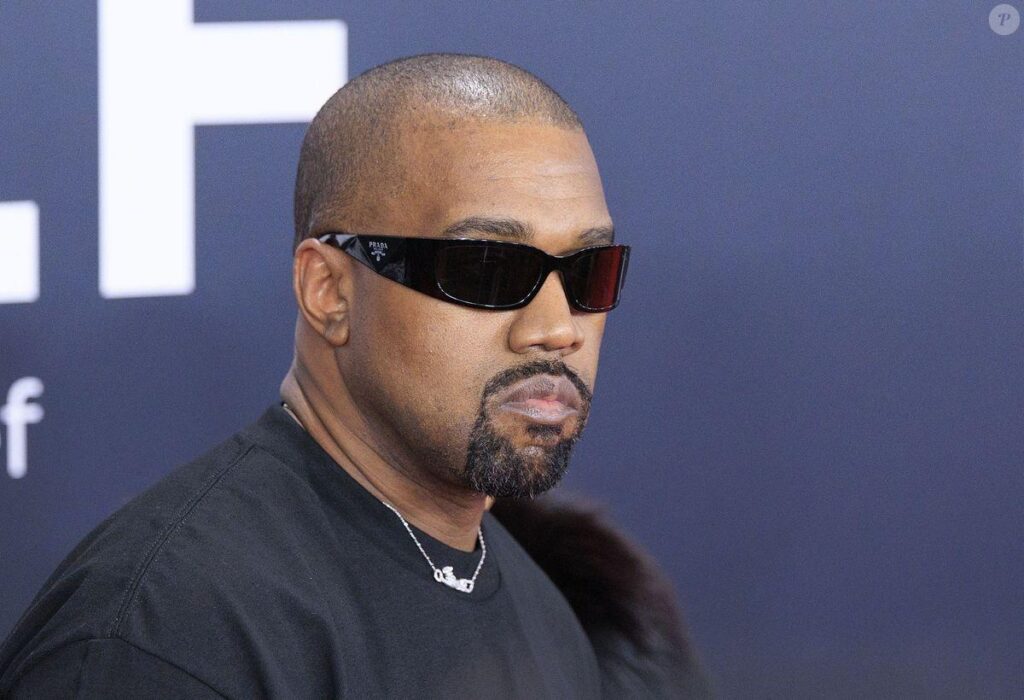
A former security guard at Kanye West’s Donda Academy is seeking roughly $23 million in damages, alleging that he was discriminated against and ultimately fired after refusing to cut his dreadlocks.
Benjamin Deshon Provo, a Black Muslim former security employee, filed a lawsuit against West, Yeezy LLC and Donda Academy in 2024. Provo alleges that his hairstyle became a source of conflict at work and that he was eventually given an ultimatum to cut his hair or lose his job.
West denies Provo’s discrimination claims and has challenged the circumstances surrounding their employment relationship.
The case is now headed toward trial, with a nonjury trial scheduled to begin Oct. 12, 2026, according to recent court reporting.
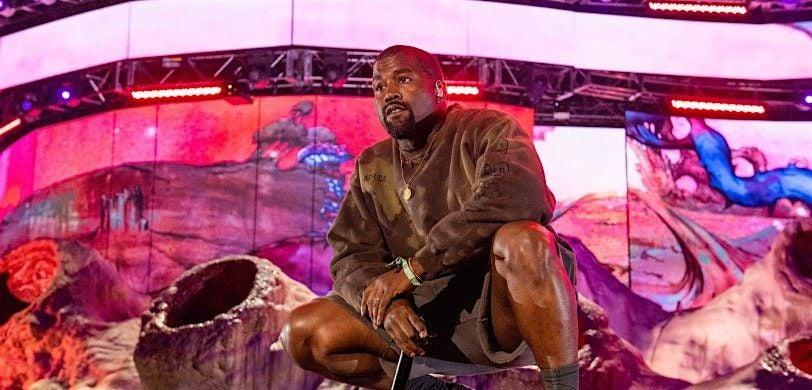
Provo Says His Dreadlocks Led to His Firing
According to Provo’s lawsuit, he had worn his dreadlocks for years and regarded his hairstyle as connected to his Black identity and Muslim faith.
Provo alleges that West and members of his management team repeatedly objected to his hair.
The lawsuit claims West eventually demanded that Provo cut his dreadlocks and that Provo was fired after refusing.
Provo’s attorneys characterize the alleged treatment as discrimination based on race, religion and hairstyle.
The lawsuit also alleges that Black employees were treated differently from white employees and that West frequently yelled at or berated Black workers.
Those allegations have not been proven in court.
West has denied the claims. His attorneys have also argued that Provo was employed by a third-party staffing company rather than directly by West, a distinction that could become important during the litigation.
Donda Academy Became the Center of Multiple Lawsuits
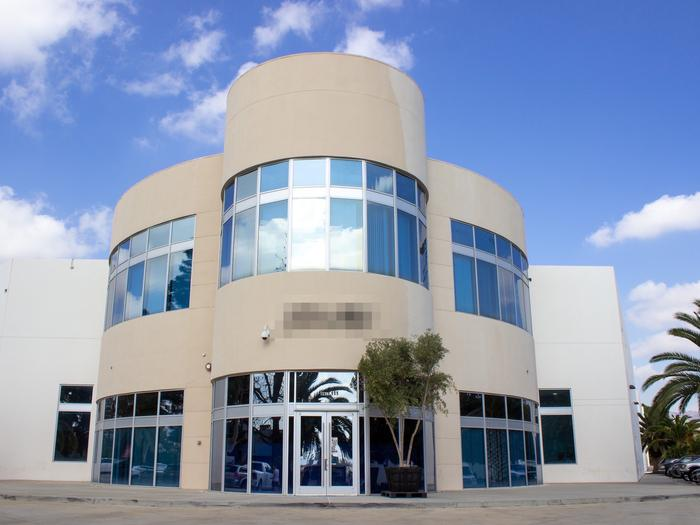
West founded Donda Academy in 2021 and named the school after his mother, Donda West.
The private school initially operated in the Simi Valley area of California before later moving locations.
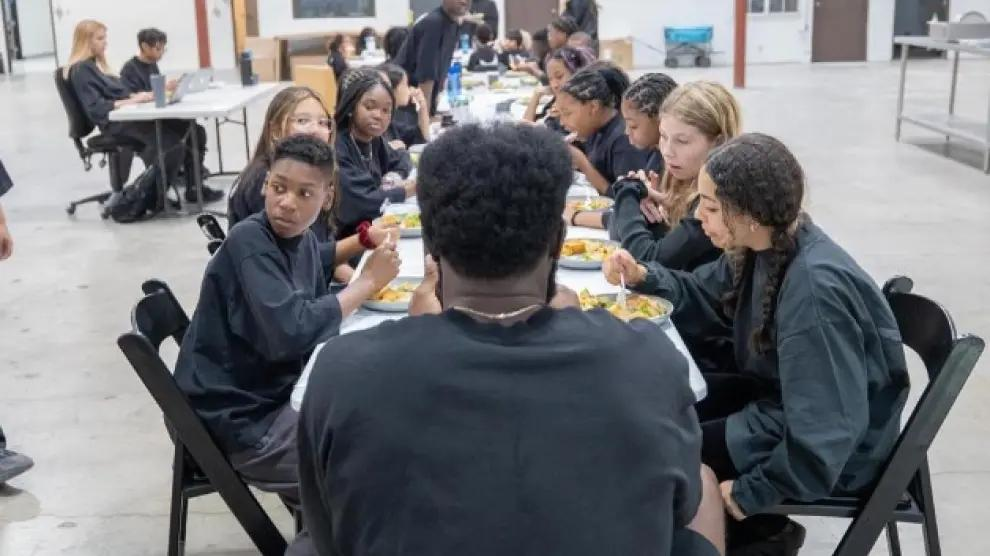
Donda was designed to combine traditional education with West’s interests in music, art, basketball, creativity and religion.
The school eventually closed amid a series of lawsuits and allegations from former employees and educators.
The Los Angeles Times has reported that former Donda employees brought lawsuits alleging wrongful termination, hostile working conditions and other problems at the school. West’s attorneys have denied the allegations made against him.
Lawsuit Includes Allegations About Black History Books
Provo’s claims extend beyond the alleged dispute over his hair.
His lawsuit alleges that books concerning prominent Black figures, including Dr. Martin Luther King Jr. and Malcolm X, were removed from Donda Academy.
The complaint also alleges that West treated Black employees less favorably than white employees.
Those claims are part of Provo’s broader argument that he was subjected to a hostile and discriminatory workplace.
The allegations remain contested.
West’s legal team has denied the claims contained in Provo’s complaint.
Former West Chief of Staff Questioned
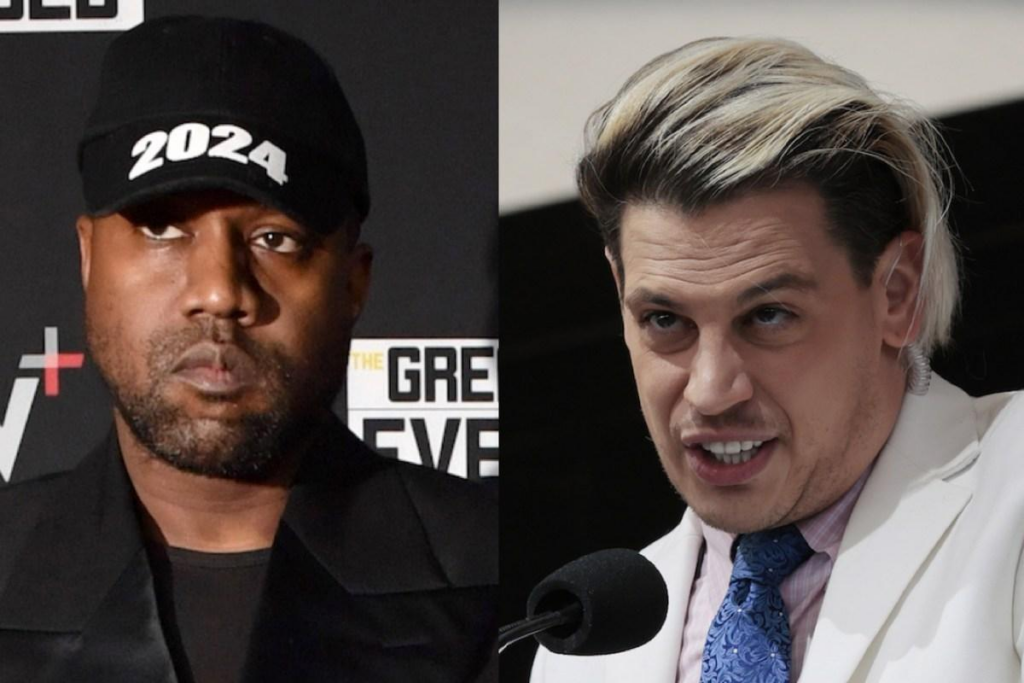
The case has also brought former West chief of staff Milo Yiannopoulos into the litigation.
Provo’s attorneys deposed Yiannopoulos as part of their effort to establish what the workplace environment was like inside West’s companies.
According to court filings cited in recent reports, Yiannopoulos testified that someone who was particularly sensitive to racially charged remarks would have difficulty working at the company.
Provo’s attorneys are using that testimony to support their broader claims about the environment surrounding West’s businesses.
The testimony itself does not establish that West discriminated against Provo. That remains an issue for the court to decide.
West Disputes Provo’s Version of Events
West has rejected Provo’s allegations.
His attorneys have specifically challenged the claim that Provo was directly employed by West, arguing that Provo worked for an outside company that provided personnel.
West has also denied that Provo was fired because of his dreadlocks.
That creates an important factual dispute in the case: Provo maintains that West’s actions directly affected his employment, while West’s legal team disputes both the discrimination allegations and the nature of the employment relationship.
California Has Specific Protections for Natural Hairstyles
The lawsuit also comes against the backdrop of California’s CROWN Act, which expanded the state’s protections against race-based discrimination involving hair.
The law recognizes protections involving natural hair and hairstyles historically associated with race, including locks, braids and twists.
That legal framework could be relevant to Provo’s allegations concerning his dreadlocks, although whether the law applies to his specific claims is ultimately a matter for the court.
The $23 Million Figure Is a Damage Claim
The approximately $23 million figure being reported does not represent a judgment against West.
Instead, it is the amount Provo says he could be entitled to receive if he succeeds on his claims.
No jury or judge has awarded Provo that money.
The final amount, if any, would depend on the outcome of the case and the court’s determination of damages.
Trial Is Scheduled for October
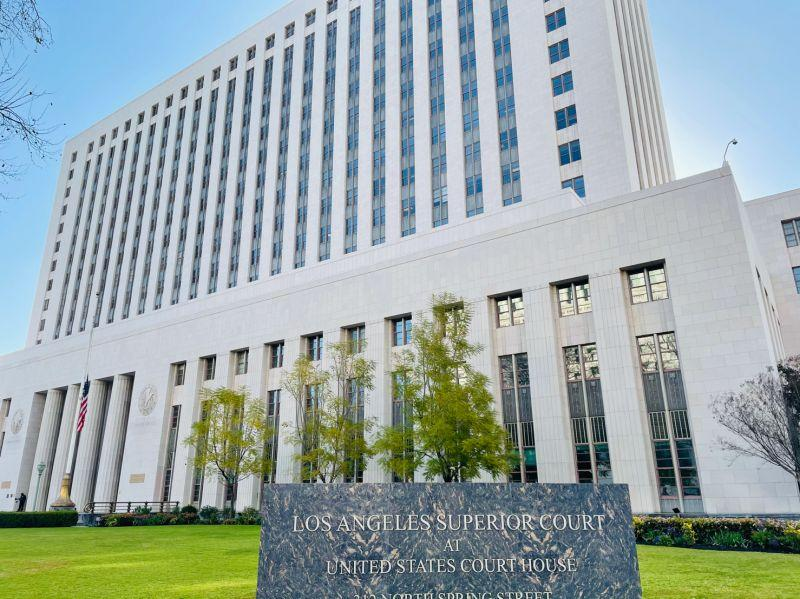
Provo’s lawsuit is scheduled for a nonjury trial beginning Oct. 12, 2026, in Los Angeles County Superior Court.
A nonjury trial means the judge, rather than a jury, will determine the factual and legal issues presented in the case.
Among the questions expected to be addressed are whether Provo was unlawfully discriminated against, whether his termination violated California law and whether West or the other defendants can be held responsible for the alleged conduct.
The case also illustrates how the controversies surrounding Donda Academy have continued even after the school itself shut down.
For Provo, the central allegation is straightforward: he says he was forced to choose between his job and cutting his dreadlocks, and that refusing to change his hair ultimately cost him his employment.
West’s side disputes that account.
With the case now approaching trial, those competing versions of events will ultimately be tested in court.